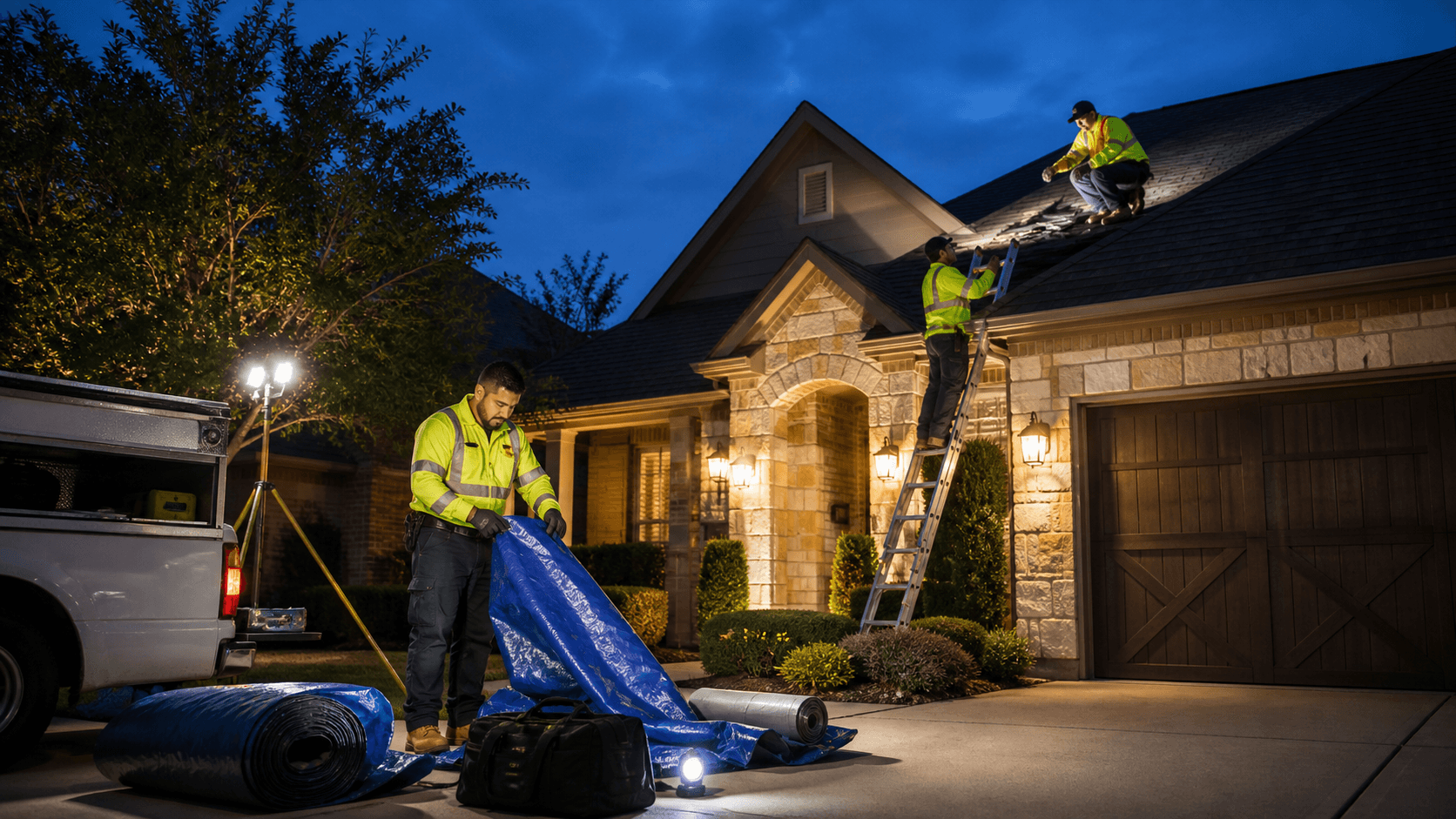
Spot Roof Damage Early to Protect Your Home
North Texas storms do not always leave obvious holes in a roof on day one. Hail, high winds, and driving rain can weaken shingles, flashing, and other materials bit by bit, so the first clues are often small changes instead of a steady drip from the ceiling. When those early signs are missed, minor storm damage can grow into bigger problems that affect the rest of the home.
Prosper, Frisco, Celina, Plano, Wise County, and nearby communities see frequent severe weather, which puts local roofs under repeated stress. Knowing what to watch for helps you catch trouble before it spreads into insulation, drywall, and framing. At WM Contracting, we are a local roofing contractor, so we pay close attention to our region's storm patterns and the damage we see again and again. In this guide, we share the key signs that your home may need storm damage roof repair in Frisco and surrounding areas.
Visible Roof Damage You Can See From the Ground
Many of the first clues show up on the outer surface of the roof. You do not have to climb a ladder to spot them, and in most cases you should not. A careful look from the yard, the sidewalk, or an upstairs window can reveal a lot.
Common signs of shingle damage include:
- Missing shingles or obvious bare spots on the roof
- Cracked, split, or curled shingles that look warped or lifted
- Bald areas where the top layer of granules is gone
- Shingles that appear loose or flap in the wind
Granule loss matters more than many homeowners realize. Those tiny granules protect the asphalt underneath from sun and water. When a hailstorm knocks them off, it can lead to:
- Shorter roof lifespan, since the asphalt is now exposed
- Higher risk of leaks in heavy rain
- Patchy, uneven color on the roof where storms hit hardest
It also pays to look beyond the shingles. Hail and wind can damage metal components, such as:
- Dented or bent gutters and downspouts
- Damaged or lifted flashing around chimneys, skylights, and walls
- Bent or missing drip edge along the roof line
- Loose or pulled away fascia boards
If these parts are compromised, water can slip under the shingles and into the roof structure. We always recommend staying safely on the ground and using binoculars or phone zoom instead of climbing onto the roof. When something looks "off," a professional inspection from a contractor like WM Contracting is the safest way to get clear answers.
Subtle Signs Indoors That Point to Roof Leaks
Storm damage often shows itself inside the house weeks or even months after the bad weather passes. At first, you might see a faint stain, smell something musty, or notice paint starting to bubble.
Watch for these warning signs on ceilings and walls:
- Yellow or brown water stains, even small ones
- Bubbling, peeling, or cracked paint or texture
- New spots or rings around light fixtures, vents, or ceiling fans
Moisture that sneaks in through a damaged roof can raise indoor humidity and create the right conditions for mold. You may notice:
- Persistent musty odors upstairs or in certain rooms
- Condensation or dampness where it was not present before
- Visible mold or mildew in closets or on upper walls
The attic can reveal even more detail. After strong storms, it is smart to look for:
- Damp or matted insulation that should be dry and fluffy
- Darkened, stained, or warped roof decking
- Rusted nails or metal fasteners sticking through the roof deck
- Tiny spots of daylight showing between boards or around penetrations
Because storms in Frisco and nearby communities are common, these interior clues can develop slowly as repeated events add more moisture. Regular checks after major weather events help catch problems before they reach lower levels of the home.
Hidden Storm Damage Only Pros Typically Catch
Some of the most serious roof issues are not visible from the ground or even from a quick peek in the attic. Hail, wind, and wind-driven rain can create damage that looks minor at first but weakens the roof system over time.
Examples of less obvious storm damage include:
- Bruised shingles from hail, where the surface looks intact but the mat underneath is crushed
- Micro cracks in asphalt shingles that open under heat and cold cycles
- Damaged seal strips that keep shingles bonded together against high winds
Wind-driven rain can be especially tough on a roof. It can force water under shingles and flashing, which can then damage:
- Underlayment that should act as a secondary water barrier
- Roof decking that can warp or rot once it absorbs water
- Nails and fasteners that may rust or loosen
We also look closely at ventilation and roof components that often get overlooked, such as:
- Ridge vents that may be cracked, bent, or pulled loose
- Pipe boots around plumbing and exhaust vents that may split or detach
- Any roof penetration that might have failed sealant or gaps
At WM Contracting, our roofing specialists use proper ladders, safety gear, and experience to perform full roof inspections. We document what we find with photos and notes so homeowners can see the damage clearly and have the information they need to plan repairs and work with insurance.
When Storm Damage Repair Becomes Full Replacement
Not every roof that goes through a hail or windstorm needs to be replaced. In many cases, targeted storm damage roof repair in Frisco is enough to restore protection. That may include:
- Replacing isolated damaged or missing shingles
- Repairing or replacing flashing around key areas
- Improving sealant and small penetrations to stop leaks
However, there are times when patching is no longer the most practical or reliable option. Signs that a full roof replacement may be more cost-effective include:
- Widespread missing, broken, or curling shingles across multiple slopes
- Recurring leaks in the same areas even after previous repairs
- Extensive hail bruising that affects a large portion of the roof
- An older roof that is already near the end of its expected service life
Homes in Prosper, Celina, Plano, Wise County, and surrounding communities face repeated severe storms over the years, which can speed up aging. What might be minor damage on a newer roof can become a bigger concern when the materials are already worn. When we evaluate a roof, we look at age, material, storm history, and current condition so we can recommend whether repair or replacement is the better long-term solution for that specific home.
Working with Insurance After a Texas Storm
After a major hail or windstorm, many homeowners are unsure what to do first. A few simple steps can make a big difference if an insurance claim becomes necessary.
Helpful actions right after a storm include:
- Taking photos of the roof and property from the ground
- Writing down the date, time, and type of storm you experienced
- Noting neighborhood signs of damage, like roofers working nearby
- Checking for dents on vehicles, mailboxes, and outdoor metal surfaces
Homeowners insurance often treats hail and wind damage as a covered peril, but every policy is different. What tends to be consistent is the importance of clear documentation. Insurers typically expect to see:
- A detailed roof inspection report from a qualified contractor
- Photos of specific damage areas, not just wide shots
- A written estimate that breaks down recommended repairs or replacement
At WM Contracting, we support our customers by providing thorough inspections and organized documentation that aligns with what insurance companies usually look for. Acting quickly after a storm in Frisco and surrounding communities is important. Waiting too long can allow water damage to spread and may make it harder to show that a particular storm caused the issues now visible on the roof and inside the home.
Protect Your Home With Expert Local Roof Repair
When storms hit, quick action can prevent small roof issues from becoming costly structural damage. If you need trusted storm damage roof repair in Frisco, we are ready to inspect, document, and restore your roof with reliable workmanship. At WM Contracting, we work with you and your insurance company to make the repair process as smooth as possible. Reach out today through our contact page to schedule your inspection and get your roof back to pre-storm condition.