How Storm Roof Damage Quietly Eats Your Home Value
Storms in Prosper and across North Texas do not always leave obvious scars. Your roof can take a hit after hit from hail and strong wind, yet still look "okay" from the street. The problem is what you cannot see from the driveway. Bruised shingles, loosened fasteners, and damaged flashing can slowly hurt your home without any dramatic leak.
Our weather is tough on roofing. Repeated hail and wind events speed up wear, even on fairly new roofs. You might not notice missing shingles or large holes, but small impacts and granule loss shorten the life of the roof. By the time you spot a stain on the ceiling, that storm damage has already been there a while.
Appraisers, home inspectors, and buyers know this, especially in Prosper and nearby cities. Roof age and condition are now big factors in how they judge a home. A roof with clear storm damage or obvious aging can mean a lower appraisal, longer days on market, and buyers pushing hard for credits or repairs. Understanding storm damage roofing in Prosper is one of the best ways to protect your equity and avoid last-minute surprises during escrow.
What Prosper Buyers Look for on Your Roof
When buyers walk up to your home, they may not climb a ladder, but their inspector will. Roofs in North Texas take so much weather that inspectors have a checklist in mind as soon as they pull up.
Common things buyers, realtors, and inspectors focus on include:
- Remaining shingle life and overall wear
- Hail bruising or small impact marks on shingles
- Lifted or creased shingles from wind
- Heavy granule loss that exposes the shingle base
- Soft or spongy decking when stepped on
- Patchwork repairs or mismatched shingles
Hail in Prosper often hits from certain angles, leaving patterns that are easy to miss at ground level. Inspectors are trained to spot small dark spots, crushed granules, and broken edges that signal past storms. Wind damage can show up as lines across shingles where they have been bent back and forth, even if they are still attached.
Once these issues show up in an inspection report, buyers often react in predictable ways. Many think, "If the roof looks rough now, what else is hiding?" That leads to:
- Lower first offers
- Requests for full roof replacement before closing
- Demands for large repair credits
- Buyers walking away when other homes nearby have newer roofs
A roof that looks storm-battered tells buyers they might be buying future headaches. A roof that looks solid and well cared for, even in a storm-prone area, gives buyers confidence and supports a stronger price.
The Real Resale Cost of Ignoring Storm Roof Damage
Ignoring storm roof damage does not just risk a leak. It can trigger a chain of problems that touch almost every part of your home. When hail breaks the surface of a shingle or wind pulls it up, water can start to move under the roof covering. It may not pour into your living room, but it can seep into the attic over time.
That slow moisture can lead to:
- Damaged or matted insulation
- Stains on ceiling drywall
- Peeling paint and bubbling texture
- Warped trim or wood
- Musty odors that raise questions about mold
By the time you are ready to sell, these issues can scare buyers and their lenders. Home inspectors call them out, appraisers take note, and suddenly your home does not stack up well against similar houses with dry attics and clean ceilings.
The financial impact often shows up in a few ways:
- Appraisal value coming in under your listing price
- Buyer repair credits that cut into your proceeds
- Pressure to replace the roof right before closing
- The need to discount your price when nearby homes have newer roofs
Another hidden cost is timing. If you wait years after a big storm to address roof issues, insurance options may be limited or more complicated. You may end up paying more out of pocket or rushing into quick fixes just to get to closing. Last-minute decisions rarely line up with what is best for your long-term resale value.
How Professional Storm Damage Roofing in Prosper Protects Equity
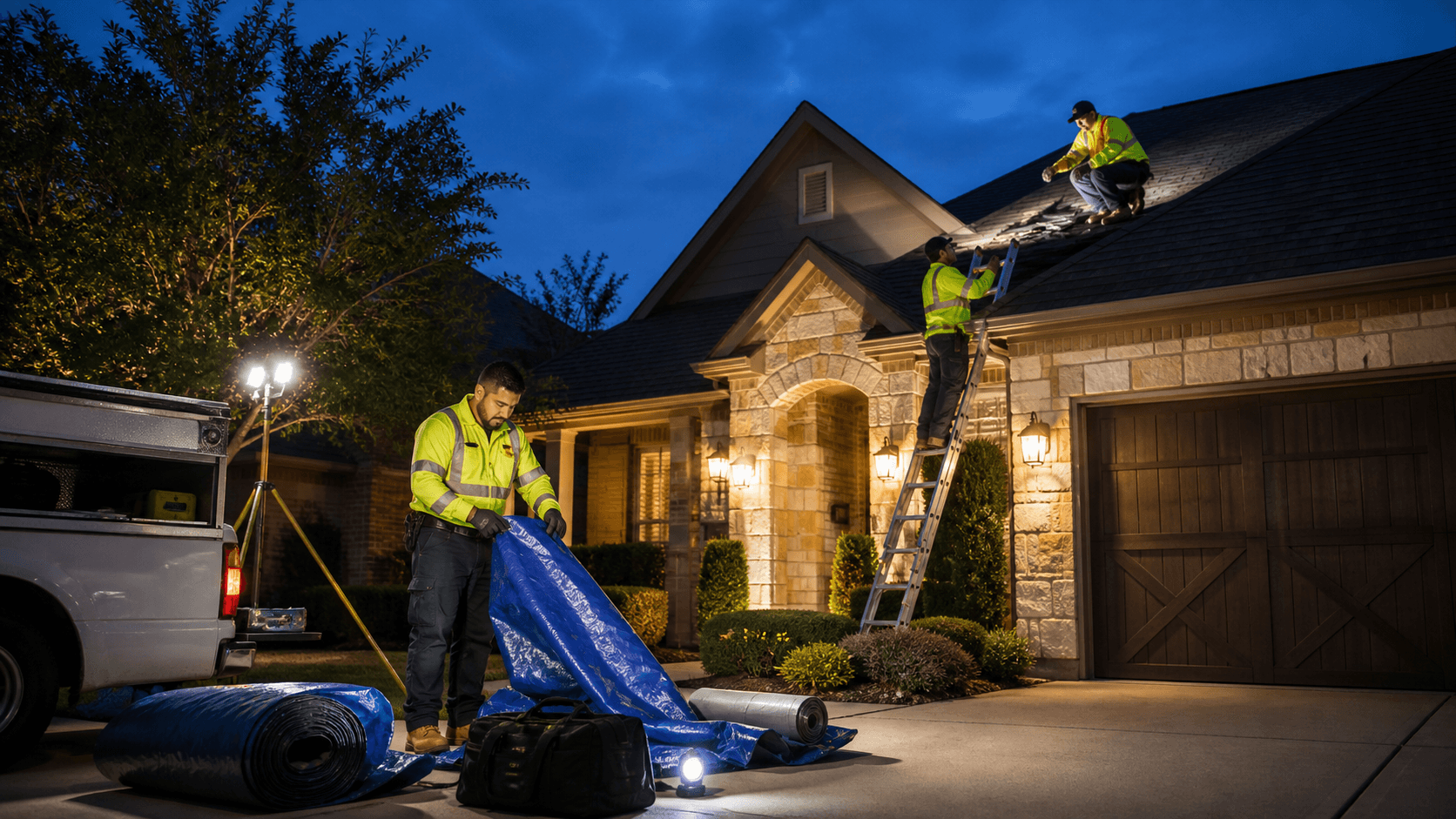
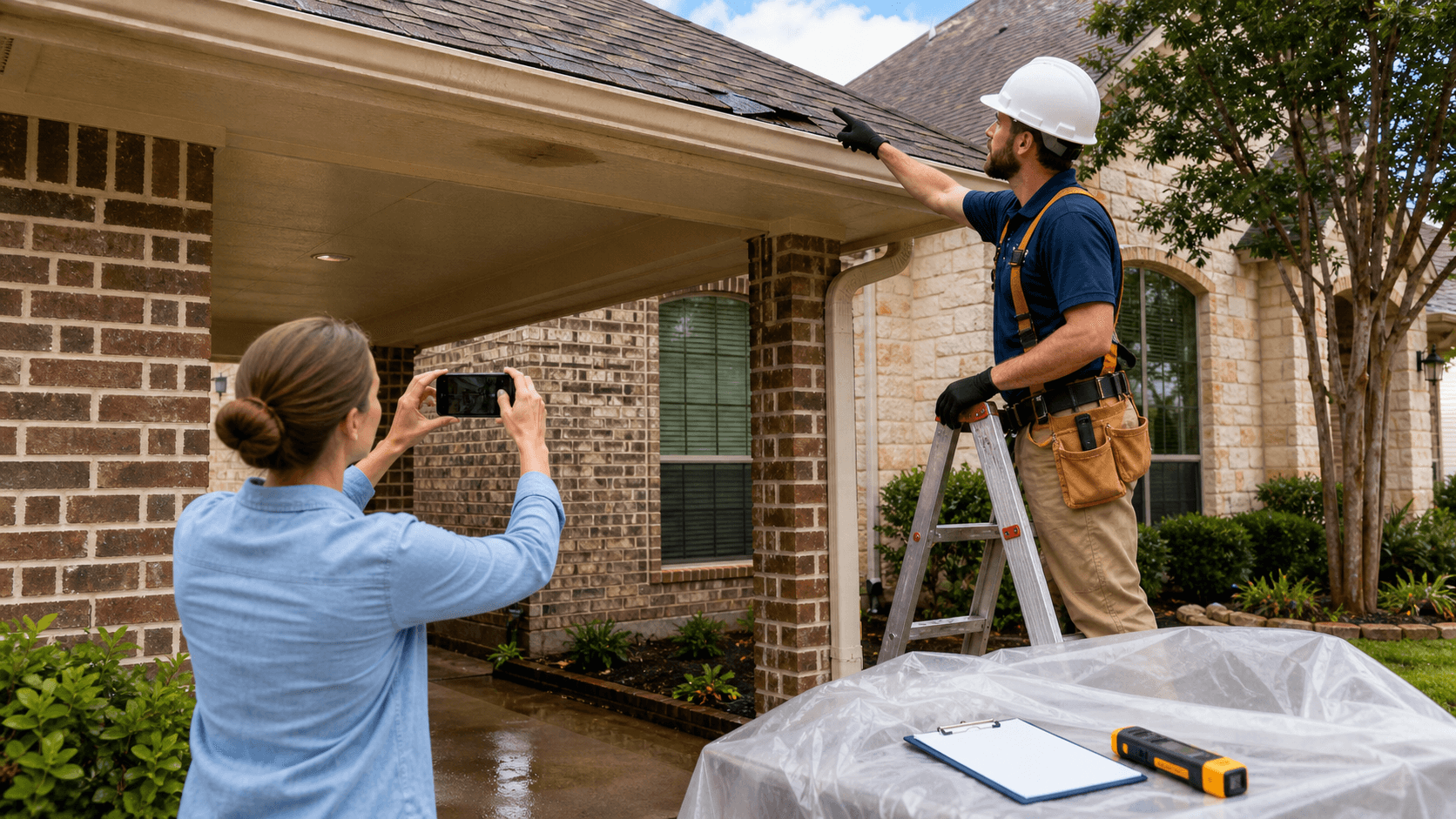
A careful storm damage roofing inspection in Prosper does more than find leaks. It builds a clear picture of your roof's health that you can share with buyers, agents, appraisers, and insurers. A local roofing professional looks closely at how past hail and wind have affected your home, not just whether water is coming inside today.
A thorough inspection usually includes:
- Close-up photos of shingles, vents, and flashing
- Mapping of hail and wind impacts across slopes
- Checking ridge lines, valleys, and roof edges
- Looking for soft decking underfoot
- Reviewing prior repairs or builder-grade materials
- Checking ventilation and attic conditions
From there, a reputable contractor works with your insurer when storm damage is found. Clear documentation and reports help support your claim and make the repair or replacement process smoother. The goal is not just to "patch the problem," but to fix it in a way that holds up to future storms and makes sense for resale.
When your roof is professionally repaired or replaced and well documented, it becomes a strong asset when you sell. You can:
- Point to recent roof work in your listing description
- Share inspection reports and photos with buyers
- Push back on unreasonable repair demands by showing current condition
- Present your home as a lower-risk, move-in-ready option
A solid, good-looking roof often shows up in listing photos, too. Clean lines, uniform color, and clear edges give the whole home a fresher appearance, which helps catch more attention from the start.
Seasonal Storm Prep to Safeguard Future Sale Price
In North Texas, late summer and early fall are smart times to get ahead of roof issues. The spring storm season is usually behind you, and the weather is often better for roof work. That makes it a good window to check for damage, take care of repairs, and get things ready before the next round of rough weather.
A simple seasonal care routine can help protect your future sale price:
- Do a quick visual check from the ground after major storms
- Schedule yearly professional inspections, even if everything looks fine
- Address missing shingles or loose flashing soon, before water finds a way in
- Keep gutters and downspouts clear so water can move away from the roof
As you do this, keep a "roof history file." Include:
- Inspection reports
- Photos before and after any work
- Repair or replacement receipts
- Notes on big storms that hit your area
When it is time to sell, this file tells a clear story: the roof has been watched, cared for, and upgraded when needed. That kind of record builds trust with buyers and their agents and helps support the price you want.
Take Control of Your Roof Before You List Your Home
If you think you might sell your Prosper home in the next one to three years, your roof should be part of your planning now, not a last-minute emergency. Waiting for a buyer's inspector to find storm damage puts you on the defensive. It shifts control of timing, cost, and scope of repairs away from you.
A proactive storm damage roofing inspection gives you options. You can:
- Understand how past hail and wind have affected your roof
- Decide if minor repairs, a full replacement, or simple monitoring is best
- Take care of work on a timeline that fits your plans
- Enter the selling process with fewer unknowns hanging over the deal
At WM Contracting, we live and work in North Texas, so we see what our local weather does to roofs every year. When homeowners address storm roof damage on their own terms, they tend to protect more equity, deal with reduced stress during negotiations, and present a home that feels safe, solid, and move-in ready. Your roof covers everything you are about to sell, and giving it the attention it deserves can pay off when it matters most.
Protect Your Home With Expert Storm Damage Repairs Today
If your roof was hit by recent storms, now is the time to act before small issues turn into costly repairs. At WM Contracting, we provide thorough inspections and trusted storm damage roofing in Prosper tailored to your home and budget. Reach out so we can assess your roof, explain your options clearly, and help you move forward with confidence. To schedule a visit or ask questions, simply contact us.