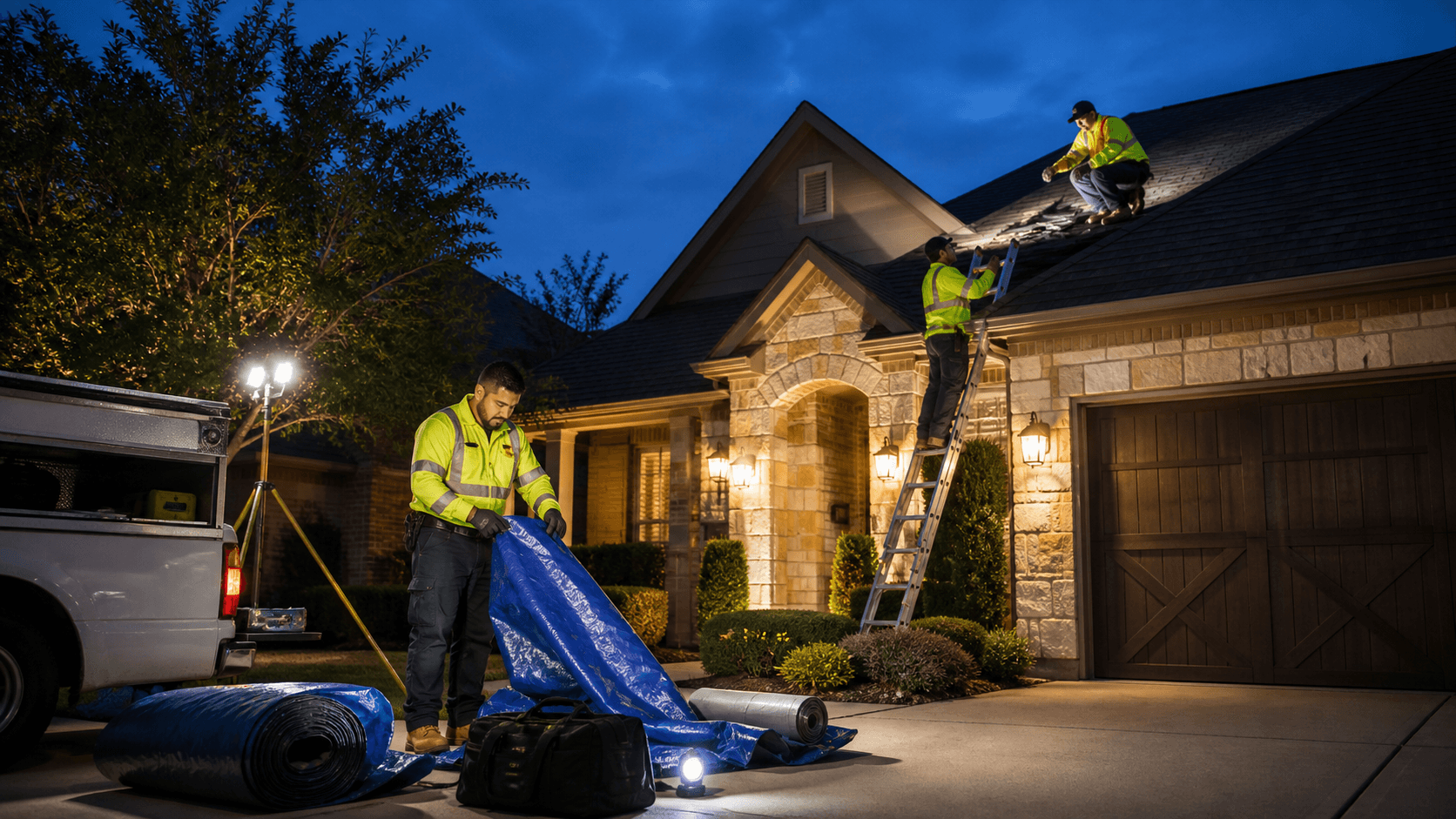
How a Quick Roof Check Protects Your Texas Home
A roof inspection after a storm is one of the simplest ways to protect your home in North Texas. Strong wind, hail, and heavy rain can damage your roof even when it still looks fine from the street. If those small problems are not found early, they can turn into leaks that are hard to ignore.
Late spring and summer are when storms hit homes in Prosper, Frisco, Celina, Plano, Wise County, and nearby areas the hardest. Hail can bruise shingles, wind can lift edges, and heavy rain can find the smallest opening. A quick look after each strong storm helps stop minor shingle damage or tiny punctures from turning into stained ceilings, warped walls, or ruined flooring.
At WM Contracting, we focus on storm damage and roof repairs for Texas homeowners. We see what happens when roofs go unchecked month after month. Our goal is to help you understand what is happening on top of your home so you can act before it becomes a big headache.
Hidden Roof Damage Texas Homeowners Often Miss
Many North Texas homeowners take a quick glance from the driveway, see shingles still in place, and assume the roof survived the storm. The truth is that some of the worst storm damage is subtle and hard to see without getting up close.
Some of the hidden problems include:
- Bruised shingles where hail hit hard enough to crush the shingle surface
- Granule loss that exposes the black asphalt underneath
- Hairline cracks in shingles that look fine until the next storm hits
- Creased or bent shingles along edges where the wind lifted them
Those issues might not cause an instant leak, but they can shorten the life of your roof. They can also lead to problems with warranties if the shingles were damaged and left that way.
There are also trouble spots that blend into the roof and often get ignored, such as:
- Flashing around chimneys, skylights, and vents that has pulled loose or cracked
- Ridge caps that are dented or slightly lifted
- Sealant that has dried out or split where different roof sections meet
- Tiny punctures in the underlayment from flying debris
Inside the home, there are clues that many people overlook. After a storm, it helps to check:
- Ceilings and upper walls for faint yellow or brown water stains
- The attic for musty or damp smells
- Any spots where you can see daylight around pipes or vents
- Rooms that feel hotter than they used to, which can point to roof or ventilation issues
These small signs tell a story about what is happening above your head. Catching them early can keep the damage from spreading.
What a Professional Roof Inspection After a Storm Includes
A professional roof inspection after a storm is more than a quick look at the shingles. It is a careful process from the ground up so that nothing is missed.
Here is what a typical inspection includes:
- A walk around the outside of the home to check siding, fascia, gutters, and visible roof edges
- A close look at the full roof surface to spot missing, cracked, bruised, or lifted shingles
- Inspection of flashing, ridges, vents, pipe boots, and any roof penetrations
- Checking gutters and downspouts for heavy granule loss that points to hail damage
- An attic review for moisture, stains, wet insulation, or signs of wood damage
Climbing on a wet or steep roof is risky, especially after a storm. Shingles can be slick, and wind damage can leave weak spots that you cannot see until you step on them. Trained roofers know how to move safely and what patterns of damage to look for that most people would miss.
At WM Contracting, our storm damage assessments are focused on finding the real condition of your roof. We document what we see with notes and photos, then explain it in clear language. If repairs are enough, we say so. If the damage points toward a full replacement, we explain why and what that means for your home.
How Ignoring Storm Damage Can Cost You Big Later
A small problem after one storm might not seem like a big deal. The trouble comes when Texas heat and more storms hit that same weak spot again and again. High temperatures can cause shingles to curl more, cracks to spread, and sealants to dry out. UV rays work on exposed areas and speed up wear.
All of this can turn:
- Minor granule loss into bare spots that soak up heat and water
- Slightly lifted shingles into loose ones that blow off in the next storm
- Tiny punctures in the underlayment into active leaks and rotten roof decking
Roof damage does not just stay in the attic. Once water gets in, it can ruin insulation, which makes your home harder to cool. Warm air sneaks into your living spaces, and your HVAC system has to work longer and harder in the Texas heat.
There is also the insurance side that many people do not think about. Insurance companies often want proof that damage came from a specific storm and that it was reported in a timely way. If you wait too long, it can be harder to connect the damage to that storm. Having a roof inspection after a storm and clear records from a reputable contractor helps protect your investment and can support your policy coverage if you need to make a claim.
DIY Roof Check vs. Calling a Local Roofing Pro
It is normal to want to check things yourself first. There are simple, safer checks you can do without climbing on the roof.
From the ground and inside your home, you can:
- Use binoculars to look for missing, torn, or curled shingles
- Check gutters and downspouts for piles of granules and bent metal
- Look for damage to soffits, fascia, and trim
- Inspect ceilings and upper walls for new stains or peeling paint
- Step into the attic on a dry day and look for damp spots or daylight
These steps help you spot obvious issues, but that is where DIY should stop. Walking on a roof, especially one that might already be damaged, can be unsafe and can cause more harm if you step on weak areas. Home repairs done without training can also make future professional work harder.
A local roofing pro who knows Texas storm patterns brings a trained eye. At WM Contracting, we understand how North Texas hail and wind typically hit roofs in Prosper, Frisco, Celina, Plano, Wise County, and surrounding communities. We can tell when a small repair is enough and when the damage points toward a bigger problem. We can also help you prepare for a possible insurance claim by clearly showing what the storm did to your roof.
Schedule Your Post-storm Roof Check Before the Next Hail Hits
Storms in our area tend to come in waves. One strong system can be followed by another before you have time to recover. Having a professional roof inspection after a storm puts you ahead of the next hail event instead of always catching up.
You do not have to wait for a major leak to get peace of mind. An inspection does not mean you will be told you need a new roof. Sometimes the news is that your roof handled the storm well, and that alone can be a relief. Other times, catching a small issue early gives you time to plan repairs on your own schedule instead of rushing in an emergency.
At WM Contracting, we are part of the same North Texas communities we serve, and we know how fast weather can change here. A careful post-storm roof check and clear documentation give you a solid plan to protect your home, whatever the next forecast brings.
Protect Your Home With A Fast, Professional Storm Damage Inspection
After severe weather hits, even small roof issues can quickly turn into expensive repairs if they are not caught early. Let WM Contracting provide a thorough roof inspection after a storm so you know exactly what your home needs. If you are ready to schedule service or have questions about storm damage, contact us today. We will walk you through the next steps and help you restore your roof with confidence.